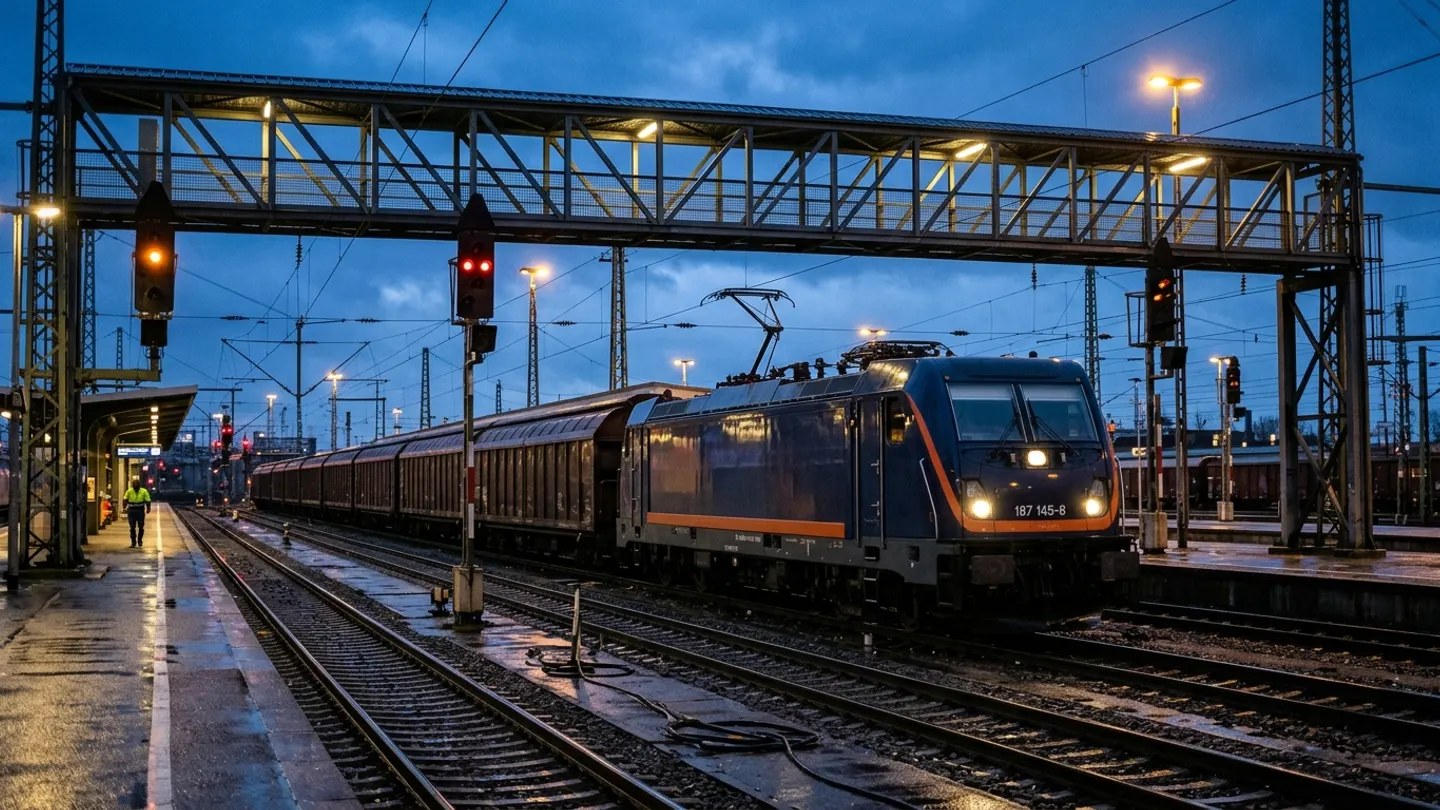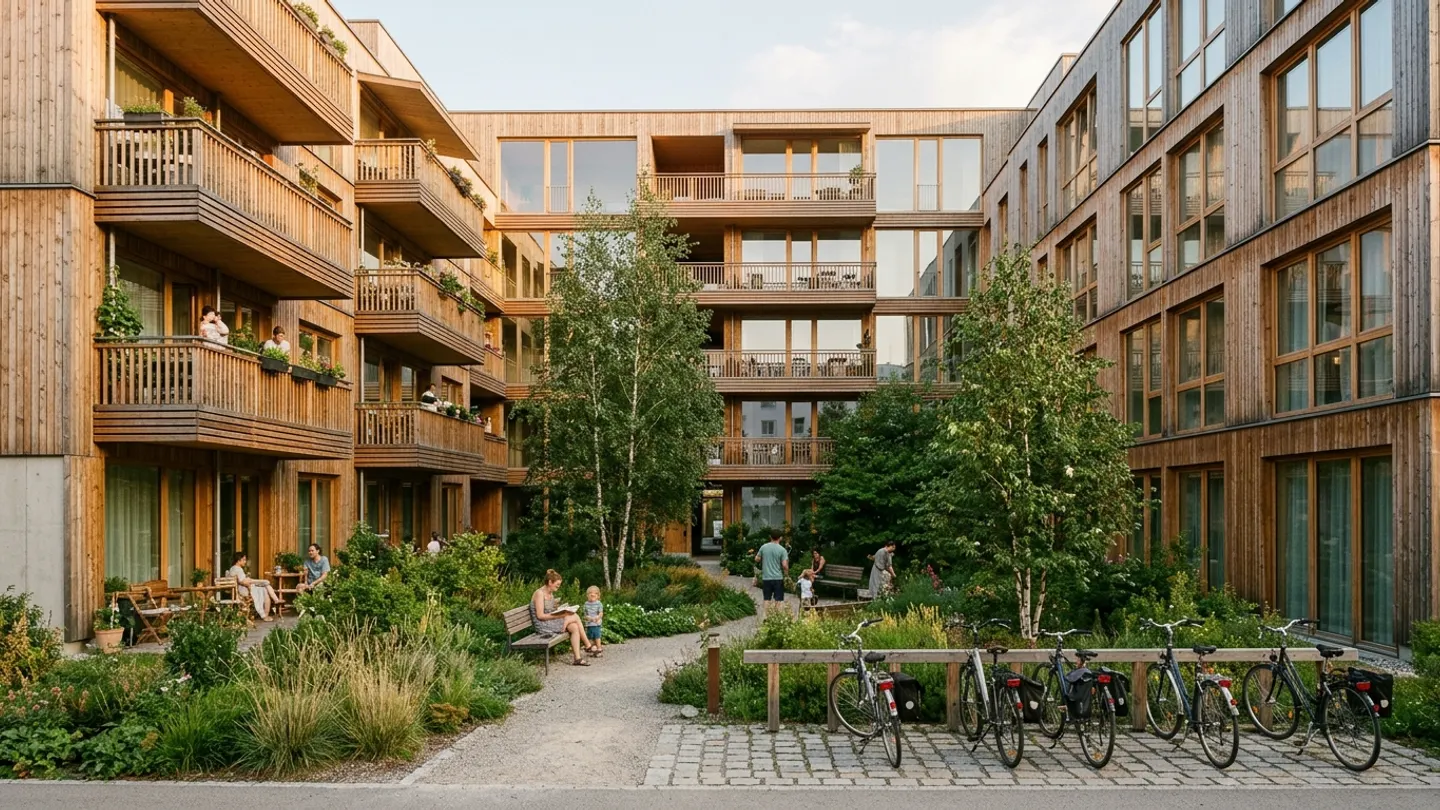
On a reclaimed freight parcel twelve minutes by tram from central Basel, 140 households moved this autumn into five-story cross-laminated timber blocks where monthly charges average CHF 1,480 for a three-bedroom apartment—roughly 34 percent below comparable private completions across the street. None of the apartments can ever be flipped for speculative capital gains.
After a decade in which pension funds and private-equity vehicles bid urban land prices beyond the reach of salaried nurses, teachers, and machinists, mid-sized European cities from Graz and Nantes to Dublin are reviving a century-old legal instrument: the non-profit building cooperative anchored by a 99-year municipal ground lease.
Removing land auctions from the rent equation
Instead of selling surplus railyards or barracks to the highest cash bidder, city treasuries retain title to the soil and award development rights strictly on architectural durability, childcare integration, and permanent cost-rent governance. Incoming residents purchase refundable equity shares covering 10 percent of construction costs, while low-interest municipal revolving funds underwrite the remainder.
Because rent payments amortize construction debt rather than servicing perpetual equity yields, charges flatten over time and feed a statutory maintenance reserve.
Civic infrastructure built into the ground floor
Zoning covenants require ground-level street frontages to host neighborhood bakeries, repair workshops, branch reading rooms—often linked to municipal collections like those in Why regional newspapers are entrusting century-old photo negatives to public libraries—and shared cargo-bike depots adjacent to the urban logistics corridors examined in Suburban logistics hubs shift to quiet overnight electric rail sidings.