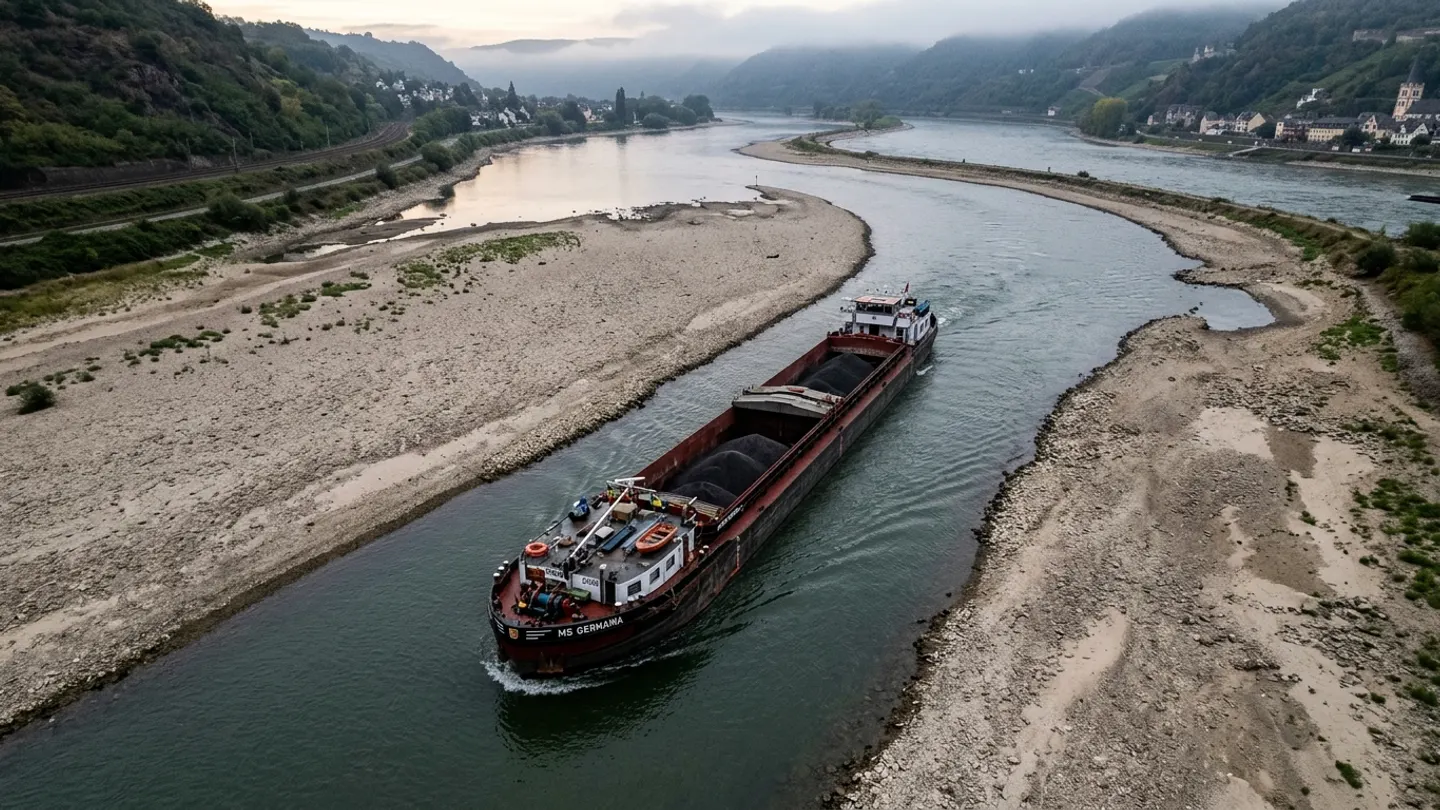
When the navigation gauge at Kaub dropped below 118 centimeters for the third consecutive autumn, chemical plants and steel mills along the Upper Rhine did not wait for emergency rail waivers. Instead, transport ministers from Switzerland, Germany, and the Netherlands signed a permanent basin-management compact binding Alpine reservoir releases to downstream freight draft thresholds.
Roughly 180 million tonnes of iron ore, grain, petrochemicals, and transformer components travel the Rhine corridor in an average year. Whenever snowmelt arrives early and late-summer rain falters, standard 110-meter hulls must offload half their cargo to clear rock sills in the Middle Rhine gorge, tripling spot charter rates within a fortnight.
Engineered hulls and coordinated Alpine releases
Under the new treaty, upstream hydro operators receive capacity payments for holding 420 million cubic meters of reserve storage through August, releasing timed pulses when commercial channel depth threatens to breach 130 centimeters. In parallel, inland shipyards are delivering twin-screw composite hulls capable of carrying 1,900 tonnes at just 1.25 meters of draft.
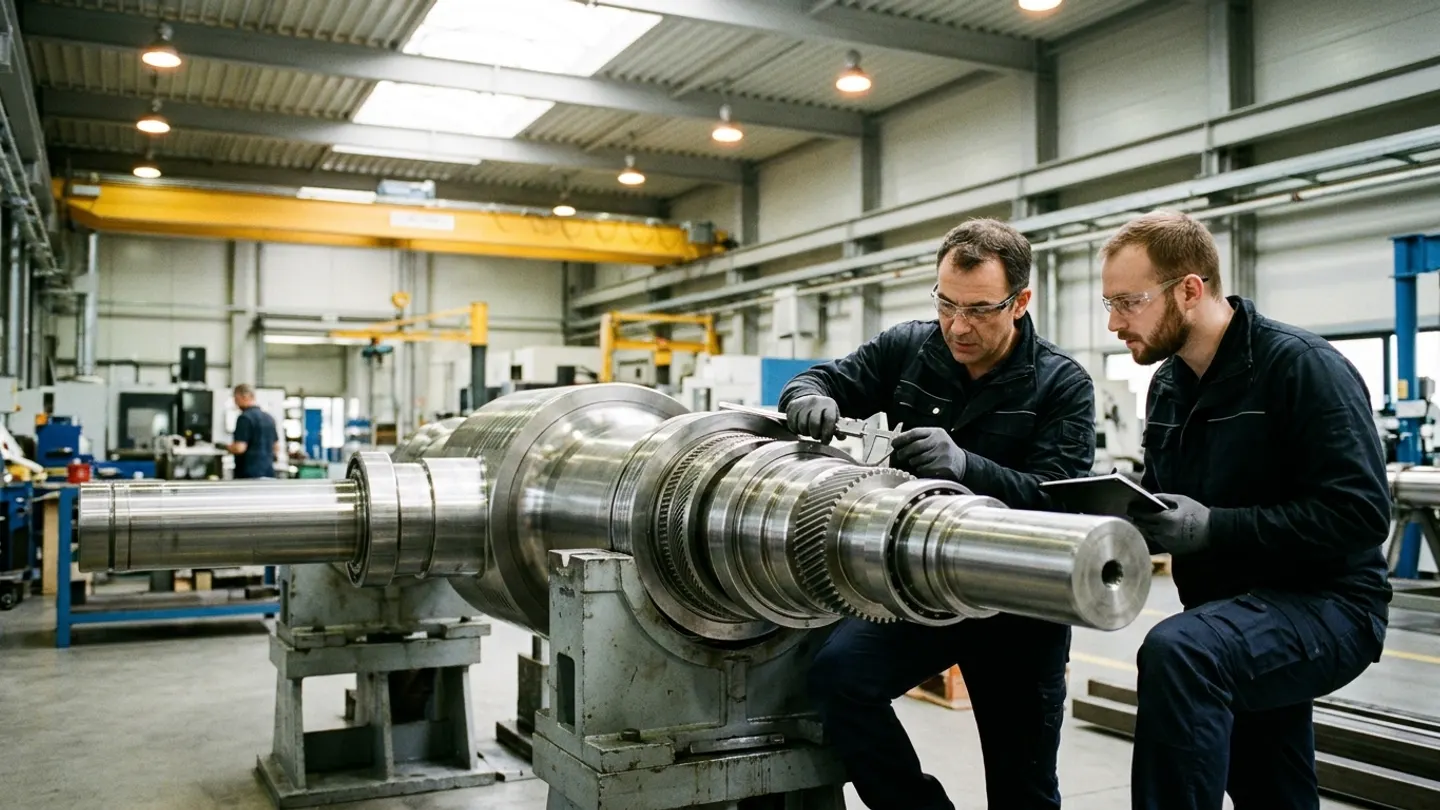
The industrial calculus mirrors the shift toward equipment longevity seen in Factories built to rebuild rather than scrap are posting wider operating margins: plant logistics directors now treat river hydrology as a balance-sheet risk requiring twenty-year capital engineering rather than seasonal insurance claims.
Port levies and rail overflow sidings
A €1.85-per-tonne navigation levy collected at Rotterdam, Antwerp, and Duisburg will finance targeted channel grading and automated depth sonar buoys updated every fifteen minutes. Cargo that still must shift ashore during extreme dry spells will connect directly into the electric freight sidings profiled in Suburban logistics hubs shift to quiet overnight electric rail sidings.