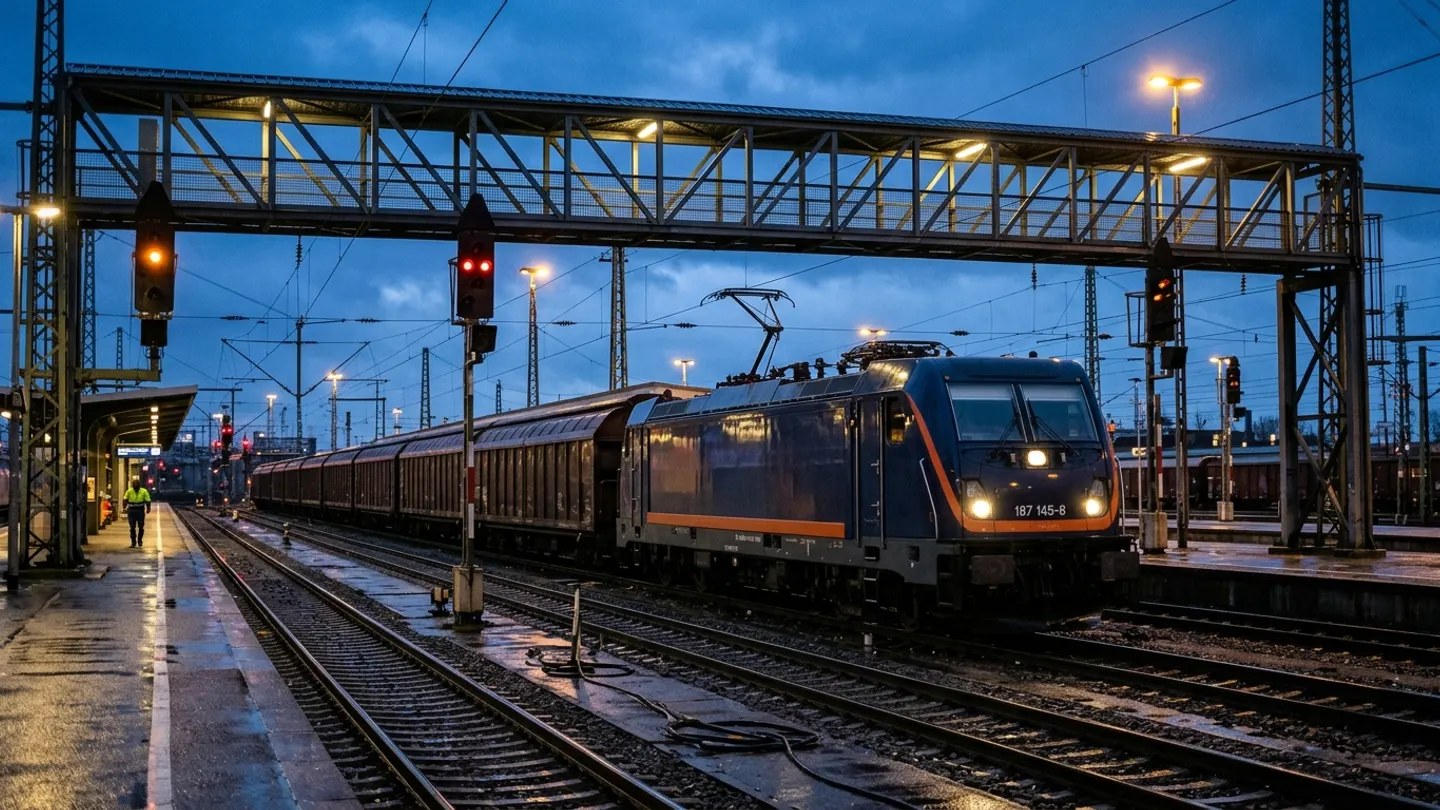
Every weekday at 01:20, after the last suburban passenger train clears the eastern junction, two four-car electric parcel units glide onto a refurbished 1960s postal siding three kilometers from the historic city core. Equipped with rubber-damped wheelsets and composite disc brakes, the consist registers 54 decibels at the property fence—quieter than passing rain.
By 05:30, automated roller decks have transferred 160 standardized pharmacy, grocery, and hardware roll-cages directly onto light electric quadricycles and neighborhood delivery vans, eliminating an estimated 1,400 highway-to-curb diesel entries each week.
Reclaiming dormant postal spurs
Mid-twentieth-century European rail stations were built with dedicated mail and express-parcel platforms that sat weeds-grown after highway trucking dominated the 1990s. City freight authorities are now leasing those spurs back to multi-carrier consortia under strict acoustic covenants.
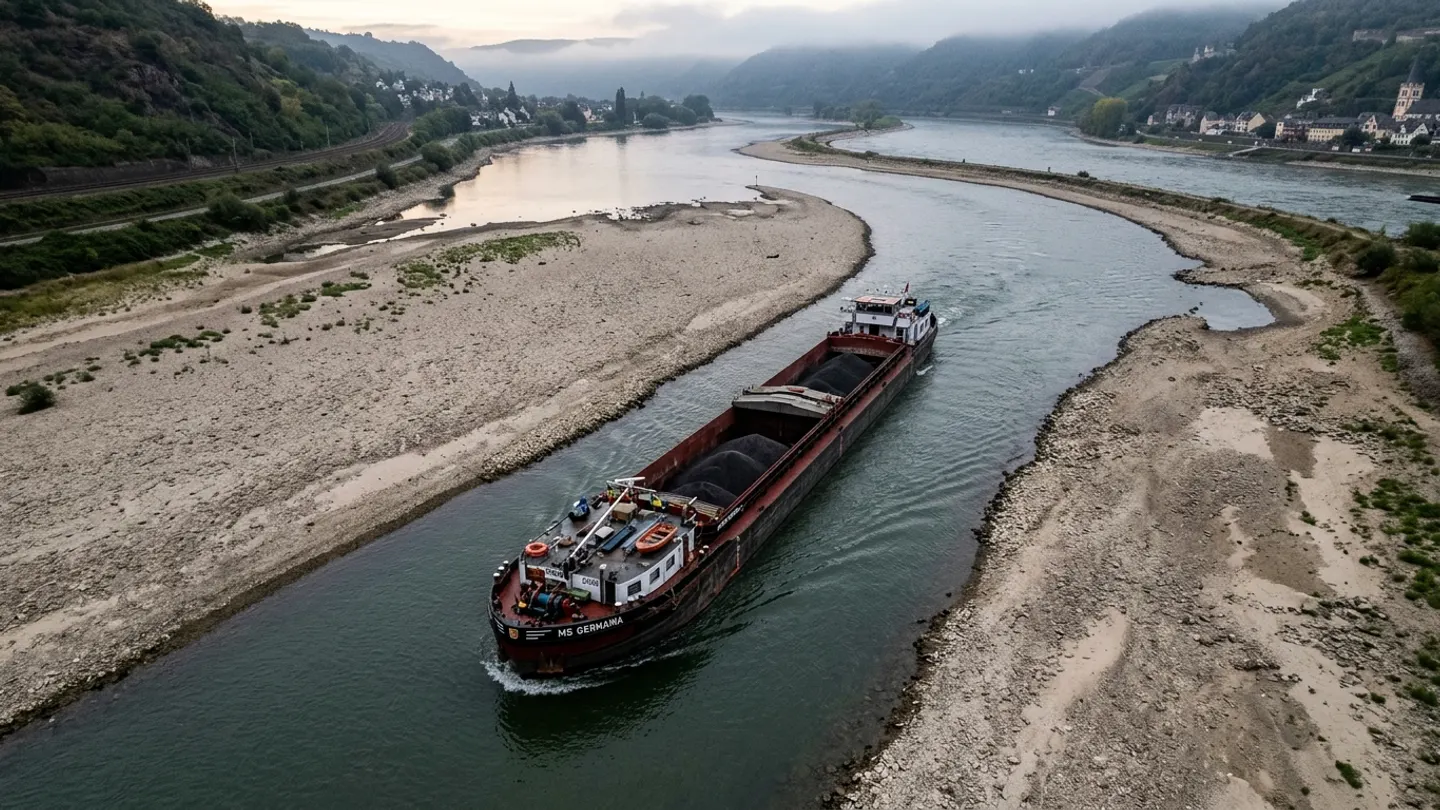
The model pairs naturally with the standardized signaling investments driven by Inside the regional mayors’ caucus bypassing stalled national transit budgets and offers inland industrial shippers a dependable urban last leg when river barges face low-water surcharges along Low water on the Rhine pushes three industrial states into a permanent river compact.
Land value shared with neighborhood housing
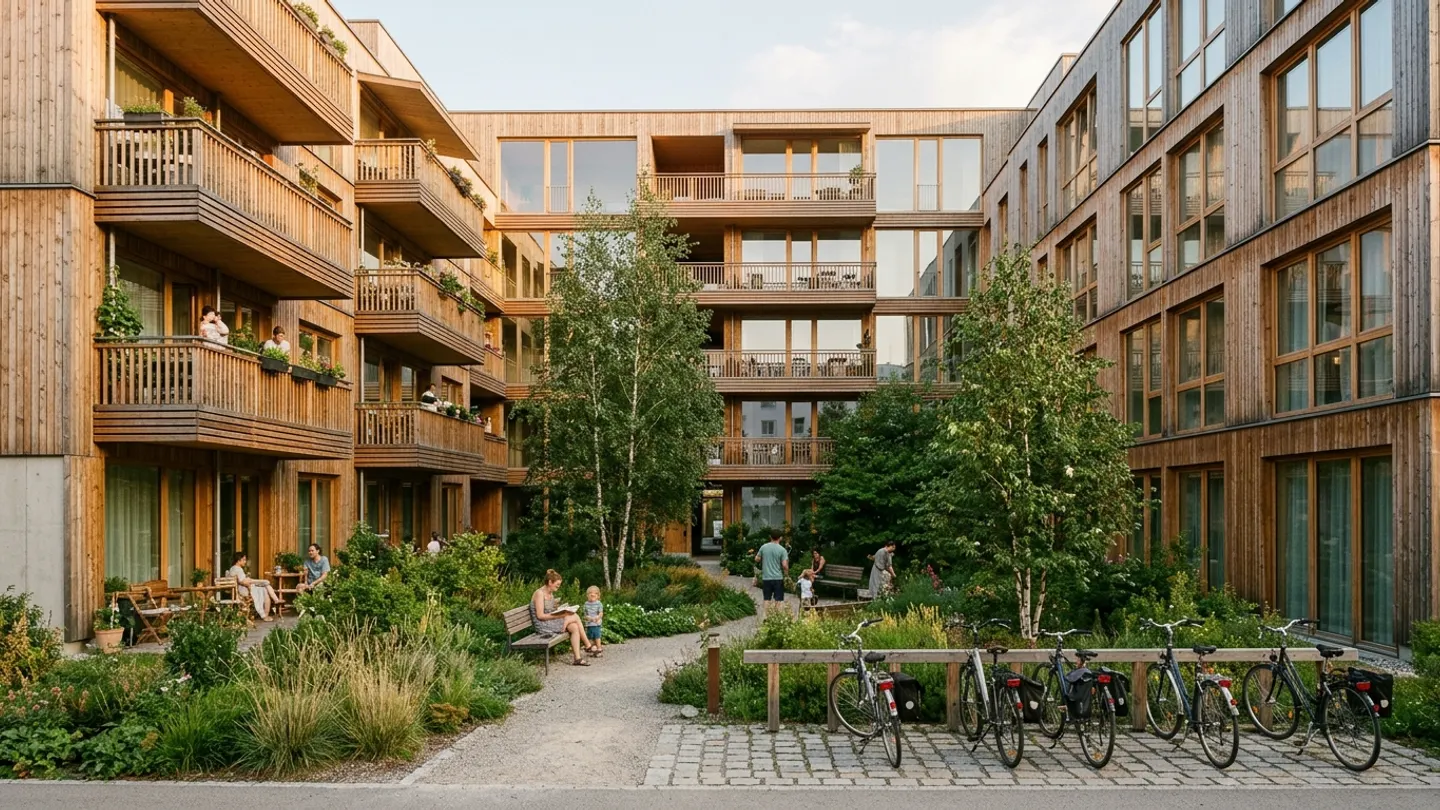
Because electric sidings operate cleanly beneath decked acoustic canopies, municipalities are co-developing air rights directly above two terminals for limited-equity apartments modeled on Limited-equity housing cooperatives return to the heart of mid-sized cities, turning noisy truck yards into mixed civic blocks.