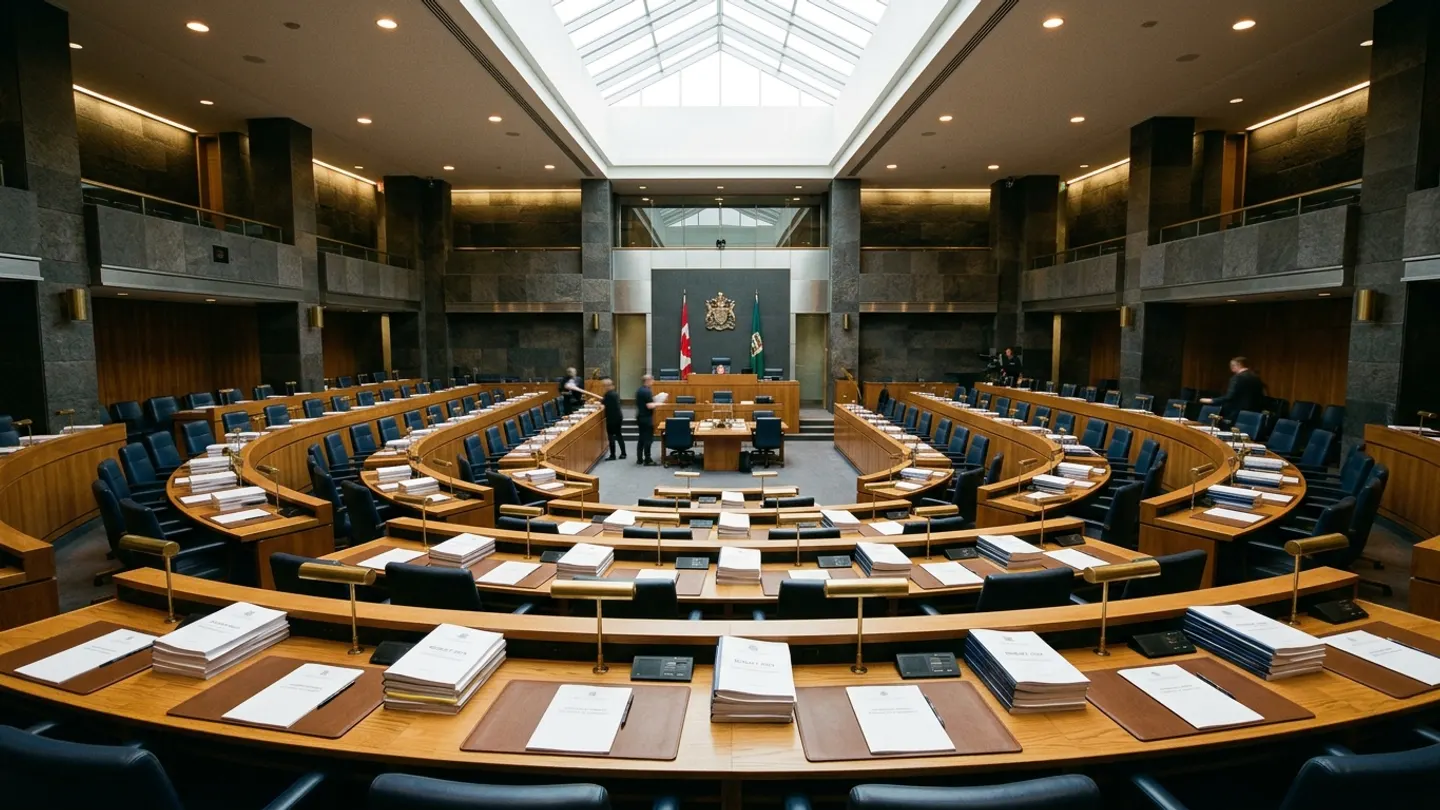
Negotiators from four Baltic coastal ministries emerged at 02:15 CET on Thursday with a ratified cost-allocation formula that ends nine months of parliamentary gridlock over meshed offshore wind interconnectors. Under the 94-page annex, national transmission operators will pool €18.4 billion in sovereign-backed green bonds rather than billing radial cable landings solely to the state where electricity comes ashore.
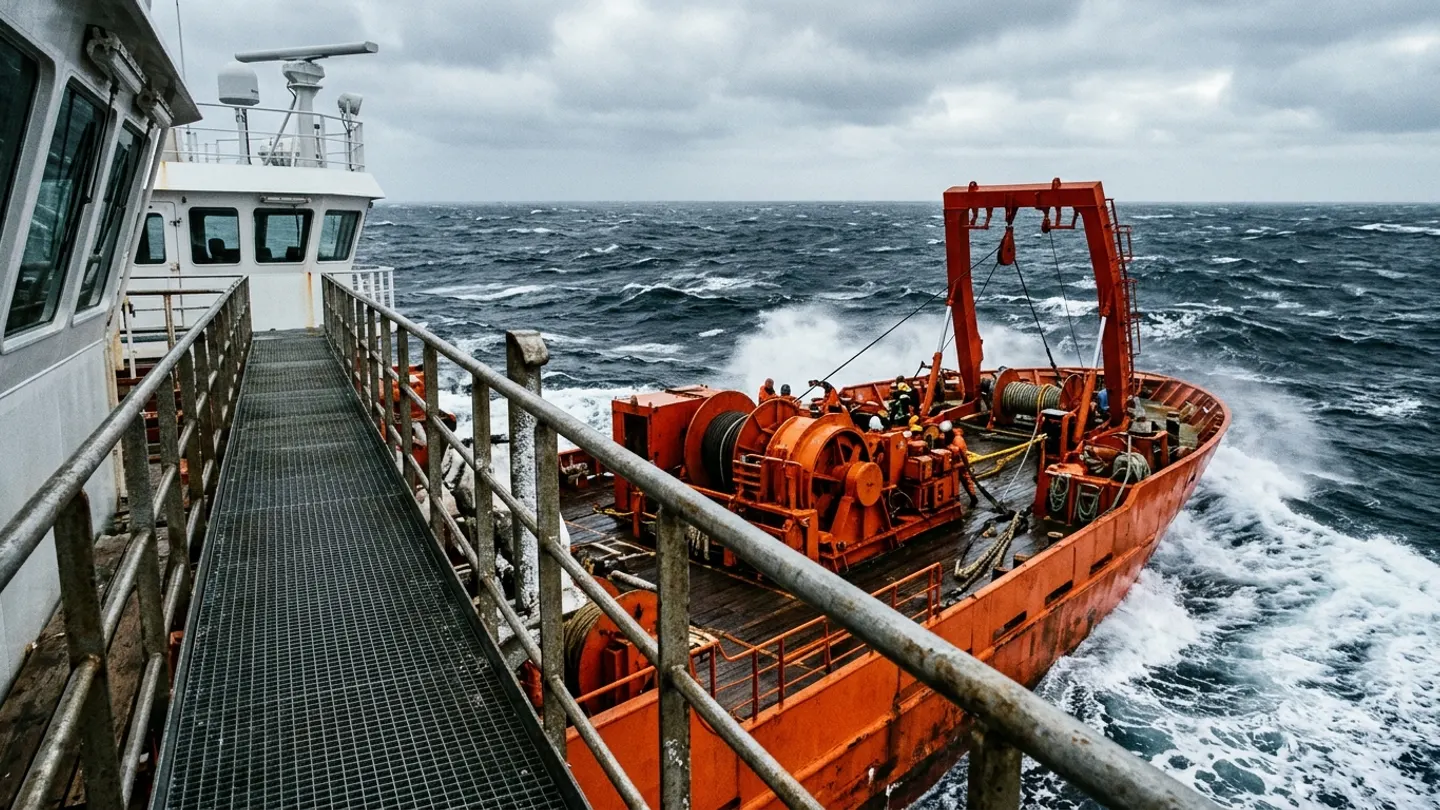
For two winters, energy ministers agreed on turbine targets while stalling over a blunt arithmetic question: why should a small coastal electorate underwrite converter stations whose surplus megawatts flow south into inland industrial zones? That stalemate froze procurement on three 2-gigawatt direct-current hubs and drove cable-laying shipyards to warn of multi-year order-book gaps, a bottleneck examined in Aboard the repair vessel guarding Europe’s northernmost fiber crossings.
How the congestion-rent split broke the impasse
The compromise replaces territorial landing fees with a thirty-year congestion-revenue ledger audited quarterly by regional grid regulators. States whose industrial buyers consume power during cold snaps will contribute 62 percent of onshore substation upgrades, while coastal host municipalities receive a statutory tariff rebate worth €140 million annually.
"Nobody wanted to defend an empty seabed tender when wholesale winter futures are still pricing scarcity," said one treasury state secretary who sat through the final fourteen-hour drafting session.
Sovereign borrowing meets municipal impatience
Bond issuance begins in January through a joint special-purpose vehicle rated AA+, trimming an estimated 45 basis points off standalone utility debt. Even so, regional mayors who previously bypassed national ministries to fund rail fleets—documented in Inside the regional mayors’ caucus bypassing stalled national transit budgets—pressed lawmakers to attach strict construction milestones so grid permits cannot stall in administrative courts beyond eighteen months.