Five years ago, industrial equipment makers treated overhaul bays as low-growth service annexes tucked behind primary assembly halls. Audited half-year filings across fourteen European rail-traction, compressor, and precision milling groups now tell the inverse story: dedicated remanufacturing divisions recorded median operating margins of 22.4 percent, outpacing new-build equipment lines by nearly seven percentage points.
The economics rest on forged steel and silicon-iron cores that retain ninety percent of their structural integrity after a decade of heavy duty. By buying back worn traction motors through lease-return clauses, factories bypass foundry energy surcharges and volatile rare-earth magnet spot markets.
Laser cladding and full-warranty parity
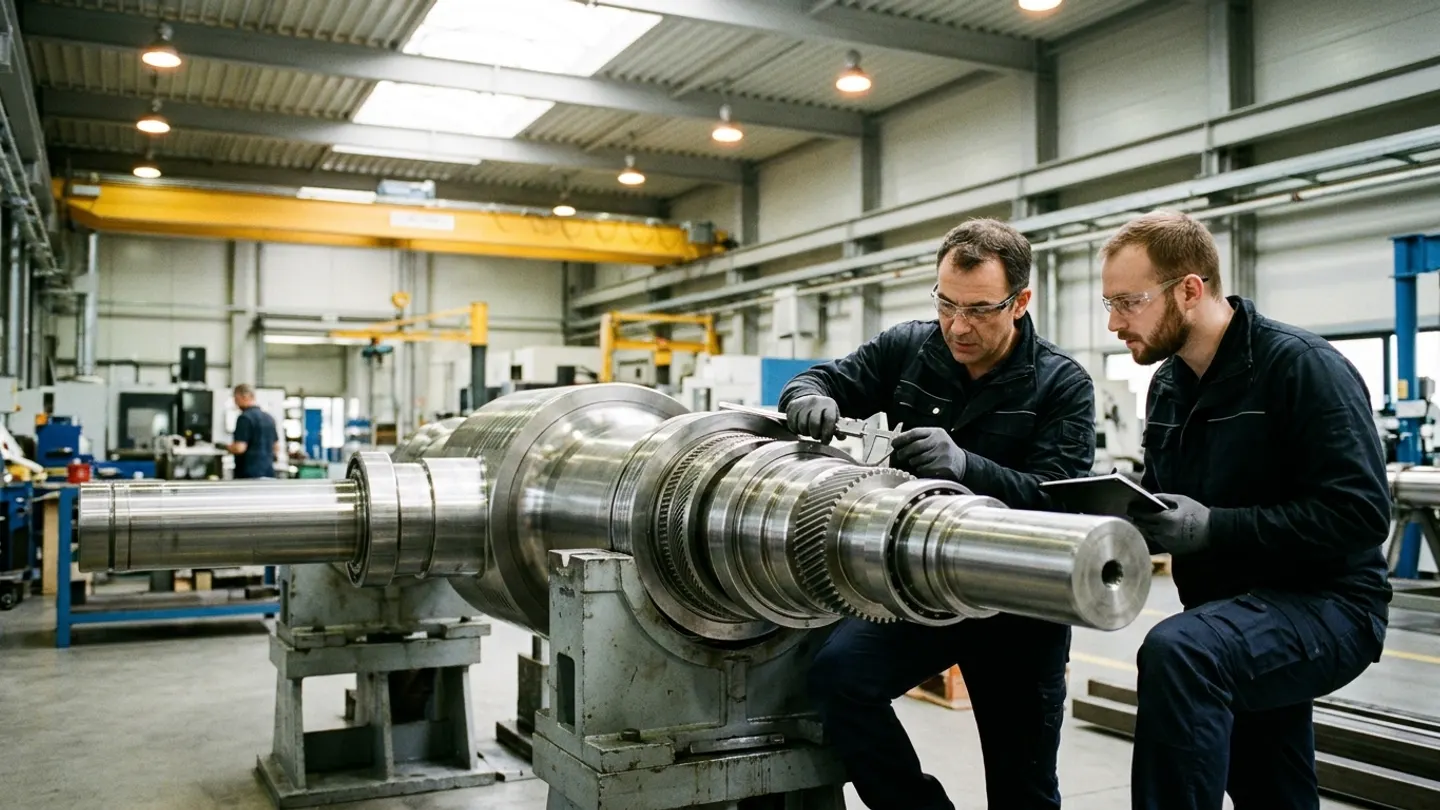
Inside a converted 18,000-square-meter hall outside Winterthur, returned rotors pass through ultrasonic flaw scanners before automated laser-deposition heads rebuild worn shaft journals to micron tolerances. Every rebuilt unit ships with the exact five-year warranty and serial telemetry package attached to newly cast machinery.
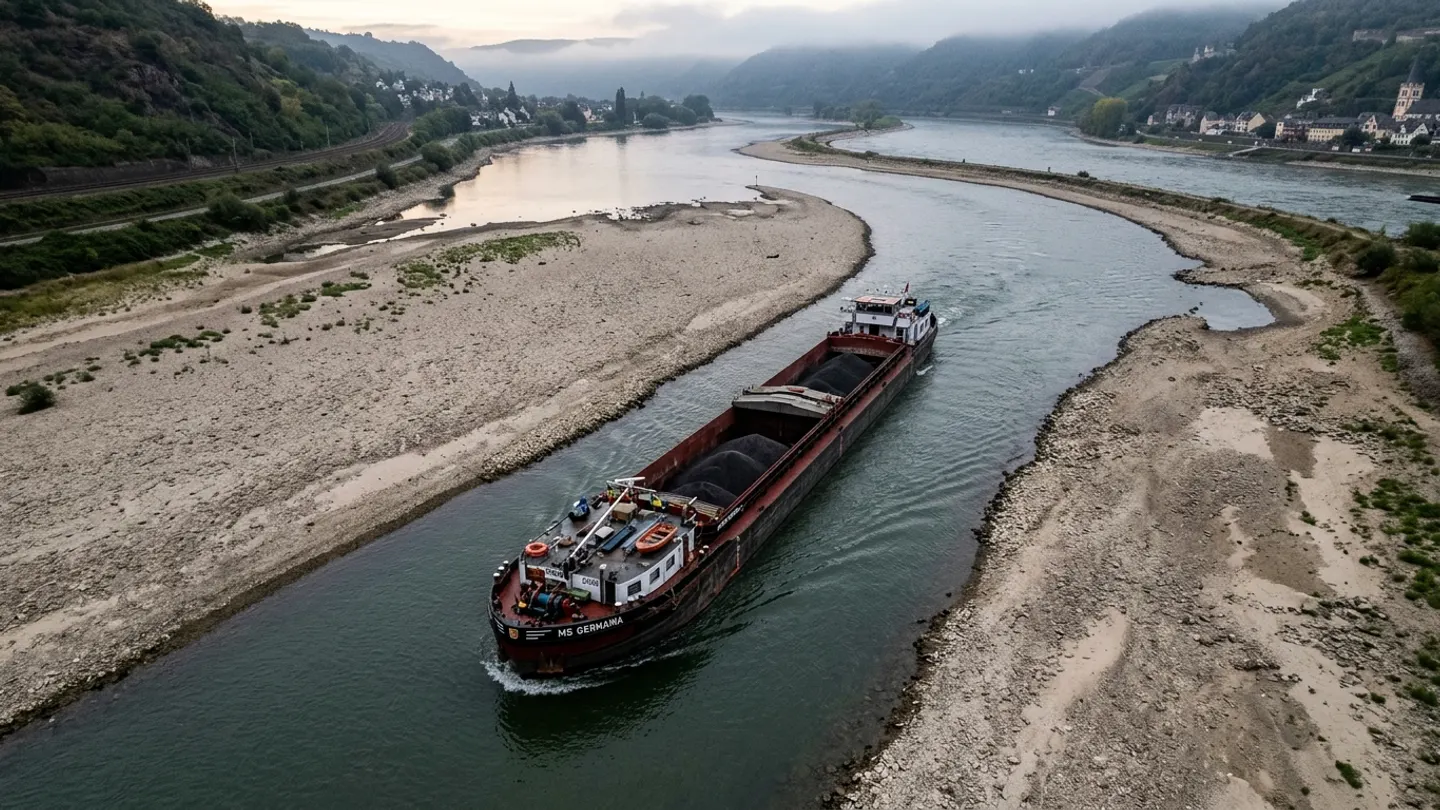
Logistics exposure drops alongside raw-material spend. Heavy castings that once waited weeks for bulk barge capacity during river bottlenecks—detailed in Low water on the Rhine pushes three industrial states into a permanent river compact—are now cycled regionally within a 400-kilometer rail radius.
Financing working capital for circular inventory
Chief financial officers note that holding returned cores on the balance sheet requires patient working-capital facilities, making central-bank borrowing rates and commercial paper spreads—analyzed in Wholesale rate-cut caution meets the quiet rollout of instant cross-border clearing—a decisive factor in how fast mid-cap suppliers expand recovery lines.