When a regional daily vacates its downtown printing plant for a single floor of leased office desks, the most fragile casualty is rarely the bound broadsheet volumes—it is the basement steel cabinets holding half a million cellulose-acetate camera negatives shot between 1938 and 1994.
Left in damp commercial storage, acetate film Base releases acetic acid vapor—known to conservators as vinegar syndrome—warping emulsions until dock strikes, tramway openings, and neighborhood portraits buckle into unreadable channels. Over the past three years, municipal libraries in Toronto, Antwerp, and Lyon have stepped in with permanent gift-of-archive deeds.
Sub-zero vaults and citizen street indexing
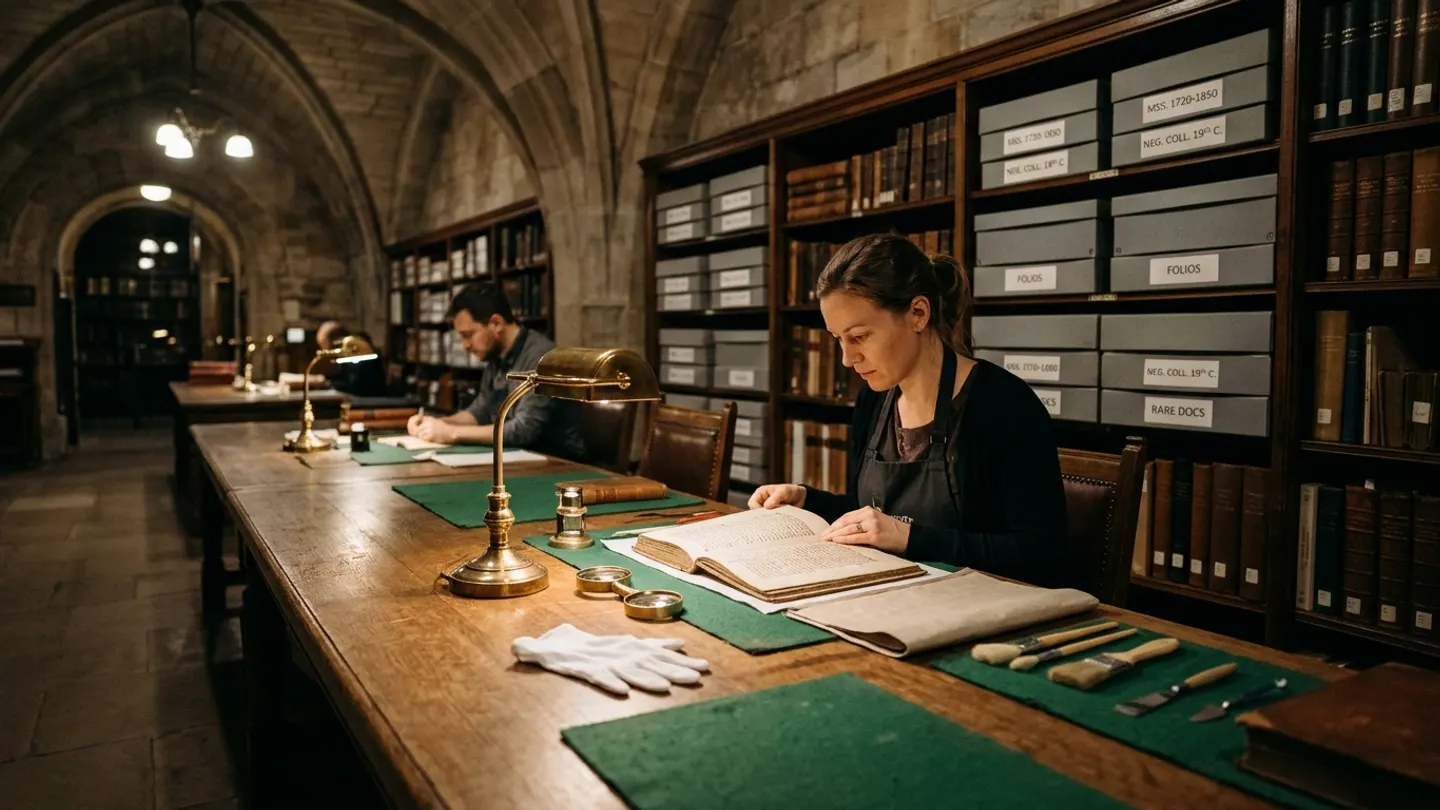
Once transferred into library custody, negative sleeves enter four-degree-Celsius, thirty-percent-humidity vaults that arrest chemical decay by a factor of ten. High-speed planetary cameras then digitize raw contact sheets at 6,000 dots per inch, publishing uncropped frames under open civic licenses.
Retired typesetters, urban historians, and long-time residents have annotated more than 190,000 street corners and shopfronts, providing primary zoning evidence for architects designing infill blocks like those in Limited-equity housing cooperatives return to the heart of mid-sized cities.
Preserving the unprinted frames
Unlike published newspaper clippings—which preserved only the single frame an editor cropped on deadline—intact negative strips record the crowd standing outside the frame, offering future historians an unfiltered record of municipal life alongside the transit transformations tracked in Inside the regional mayors’ caucus bypassing stalled national transit budgets.